Turn Beer
Passion
Into Expertise.
The field guide to Cicerone certification — personalized to your palate. Answer three quick questions and we'll build your path.
How do you roll with beer?
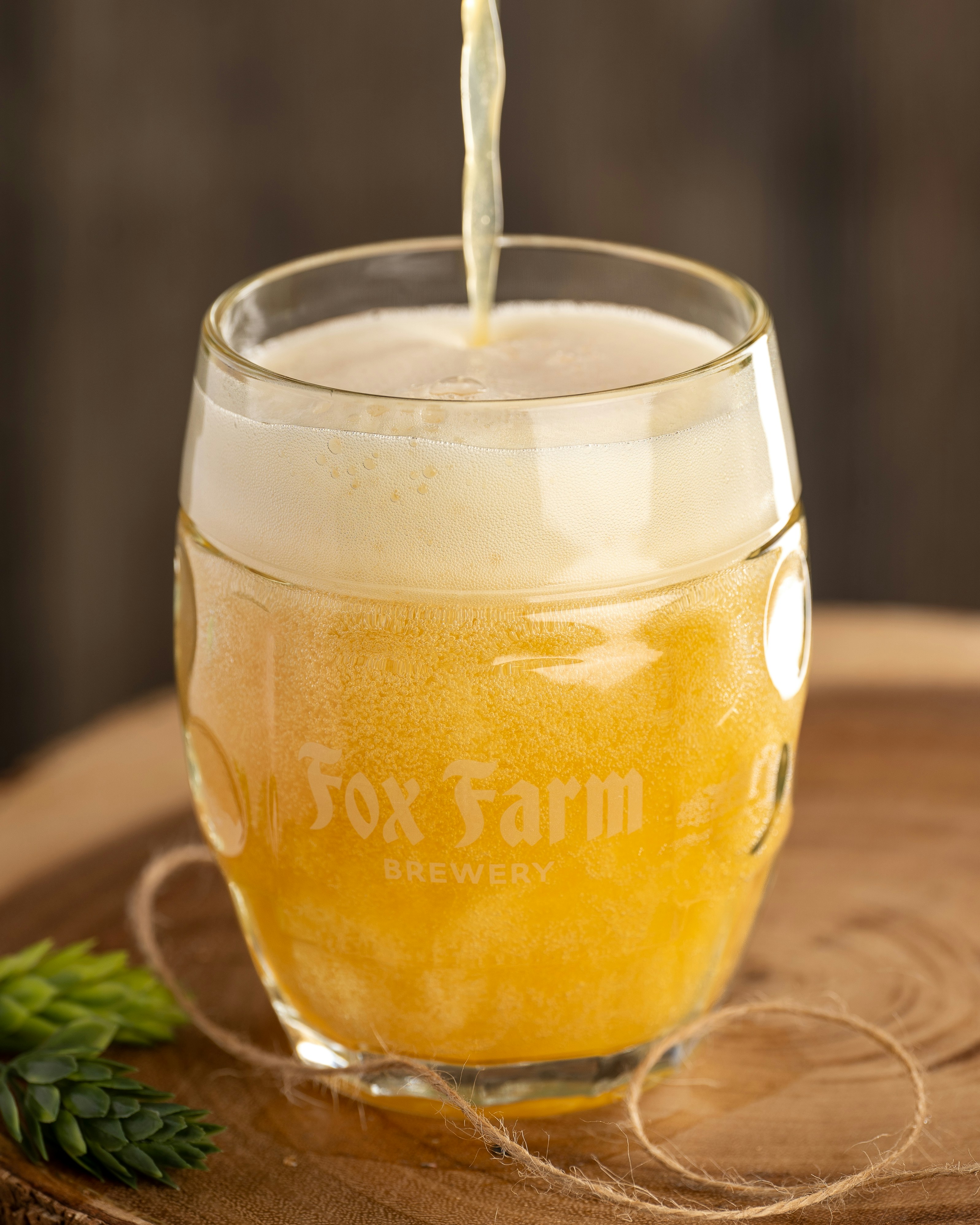
Hops 101 — Session starting
of taproom staff can't explain IBU to a curious customer
restaurant beer lists are organized by price, not flavor — leaving money on the table
Certified Cicerones worldwide — vs 9,500+ small breweries in the US alone
The Field Guide
to Great Beer
Hover any card to preview a sample question. Free modules unlock immediately — no credit card.
Hops 101
Alpha acids, dry hopping, and the alchemy of bitterness
What is the difference between bittering hops and aroma hops in a dry-hopped IPA?
Bittering hops (added early) isomerize alpha acids for IBU; aroma hops (late/dry) contribute volatile oils — myrcene, linalool — that evaporate in heat.
Yeast Families
Ales vs lagers, esters, phenols, and wild fermentation
Name two ester compounds commonly produced by Belgian ale yeasts and describe their aroma.
Isoamyl acetate (banana/pear) and ethyl acetate (solvent/fruity). Both are desirable in Hefeweizen; excess ethyl acetate signals stress fermentation.
Off-Flavor Detection
Identify what went wrong — before the customer does
A beer smells of green apple and freshly cut grass. What compound is responsible and what causes it?
Acetaldehyde — an intermediate fermentation compound. Caused by premature packaging, underpitching yeast, or poor fermentation temperature control.
Beer Styles
71 styles — origins, flavor profiles, and service specs
What are the defining characteristics that separate a Witbier from a German Hefeweizen?
Witbier uses unmalted wheat + coriander + orange peel; Hefeweizen uses malted wheat, no adjuncts, and expresses stronger banana/clove from yeast character.
Beer & Food Pairing
Pair a Belgian dubbel like a sommelier pairs Burgundy
Which pairing principle makes a Flanders Red Ale ideal with charcuterie, and why?
Complementary acidity: the beer's lactic tartness cuts fat, while shared funk notes (vinegar, leather) bridge the flavors. High carbonation cleanses the palate.
Draft Systems
CO₂ balance, line cleaning, and pour perfection
Calculate the correct CO₂ pressure for a keg stored at 38°F with a target of 2.5 volumes of carbonation.
Using Henry's Law: at 38°F, 2.5 vol CO₂ ≈ 10–11 PSI serving pressure. Adjust for line length resistance (1 PSI per 2ft of 3/16" line).
Malt & Roast
From pilsner base malt to black patent — the backbone of flavor
What Maillard reaction products give Crystal/Caramel malts their toffee and raisin character?
Crystallized sugars (dextrins) formed during stewing create non-fermentable sweetness; melanoidins produce toffee, caramel, and dried fruit notes depending on roast level (40–120°L).
Water Chemistry
How sulfate, chloride, and pH sculpt every sip
Why does high sulfate water accentuate hop bitterness while high chloride softens it?
Sulfate ions bind with bitter iso-alpha acids, amplifying dry, crisp bitterness (Burton-on-Trent profile). Chloride rounds mouthfeel, suppressing perceived sharpness and foregrounding malt sweetness.
Before Cicerone, I'd freeze when customers asked about hop varieties. Now I build the conversation around flavor — and our taproom upsells jumped 34% in three months.
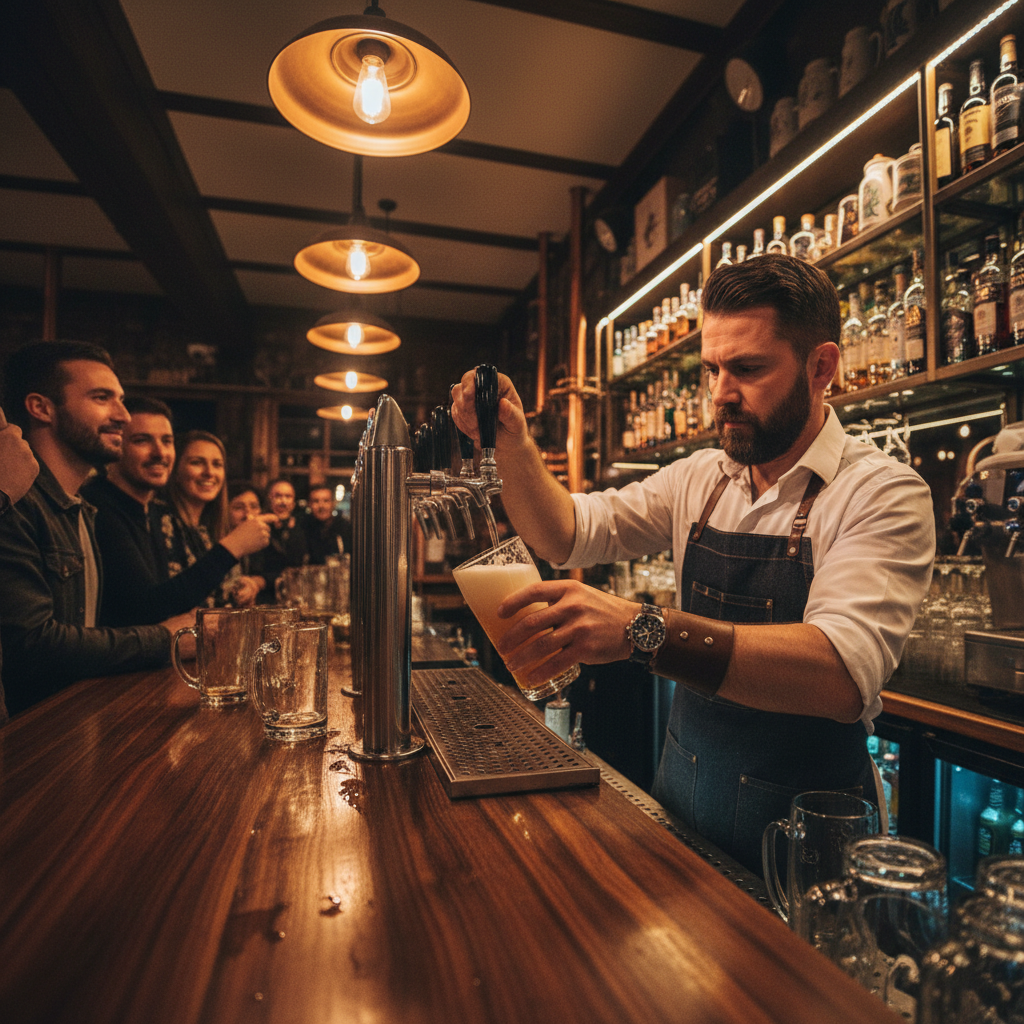
I rewrote our entire beer menu using flavor profiles instead of price tiers. The average beer ticket went from $7 to $11. My GM paid for the whole team's certification the next week.
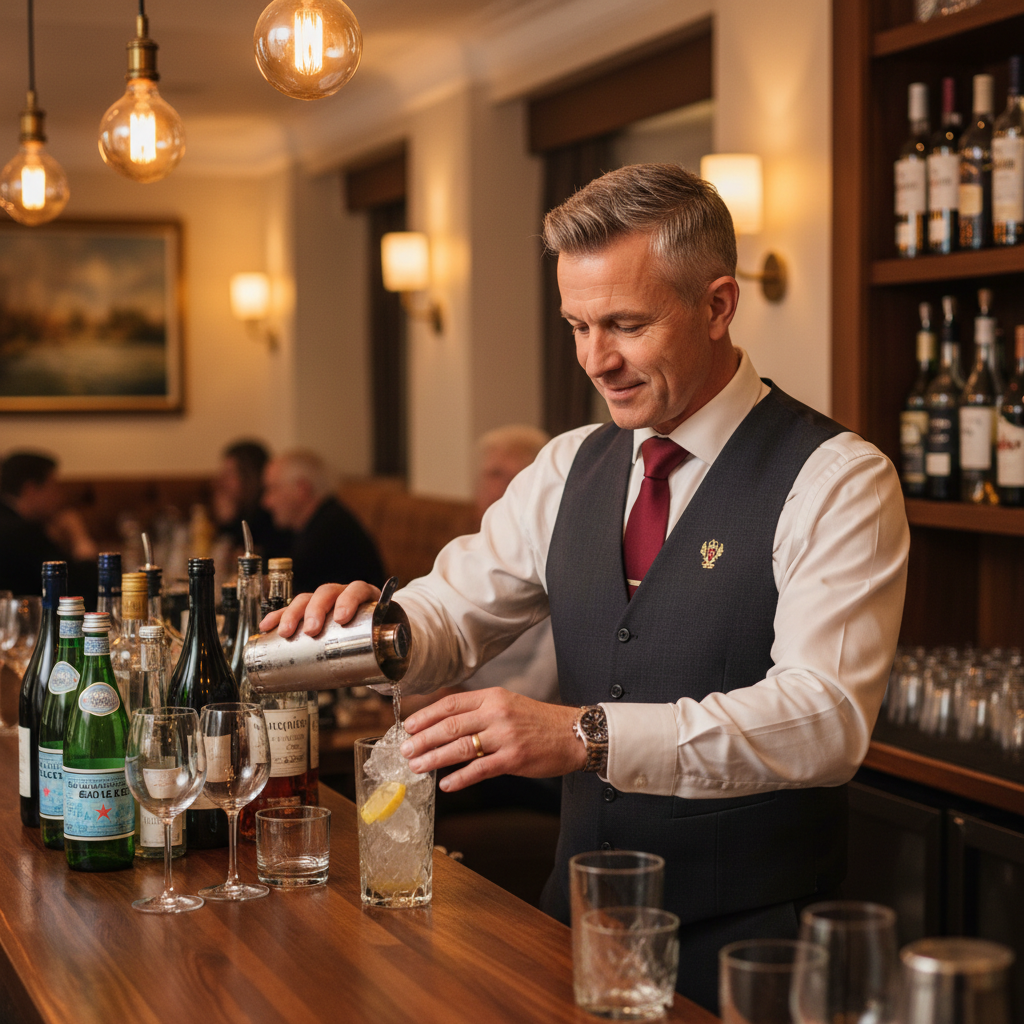
I've been homebrewing for six years. The off-flavor module alone was worth everything — I finally diagnosed my persistent sulfur problem as hydrogen sulfide from my lager yeast strain.

Off-Flavor Identification Chart
12 common off-flavors, their chemical compounds, sensory descriptors, and root causes — from acetaldehyde to trans-2-nonenal.
Four Levels.
One Destination.
Most professionals start at Level 1 and work toward Level 2. Each level builds directly on the last.
Certified Beer Server
The starting tapGlassware, pour technique, proper storage, and draft system basics. Prove you can serve beer as the brewer intended.
- Glassware & pouring
- Draft system basics
- Beer freshness
- Basic styles (15)
Certified Cicerone
The full credentialDeep dive into all 71 beer styles, off-flavor identification, draft systems maintenance, and food pairing. The benchmark for industry professionals.
- 71 beer styles (BJCP)
- Off-flavor detection
- Draft maintenance
- Food pairing
- Blind tasting
Advanced Cicerone
The specialist tierTroubleshoot any beer quality issue, evaluate commercial beers to BJCP standards, and demonstrate mastery of sensory evaluation.
- Commercial evaluation
- Quality troubleshooting
- Advanced sensory
- Brewing science
Master Cicerone
The summitFewer than 30 people hold this title. Comprehensive brewing science, exhaustive sensory mastery, and the ability to educate at industry level.
- Brewing science depth
- Industry education
- Global beer culture
- Exhaustive sensory
Start Tasting Free.
No credit card required.
Unlock your downloadable Flavor Wheel PDF + three starter lessons covering Hops 101, Yeast Families, and your first off-flavor detection exercise.
Includes: Flavor Wheel PDF · 3 starter lessons · Off-Flavor quick reference